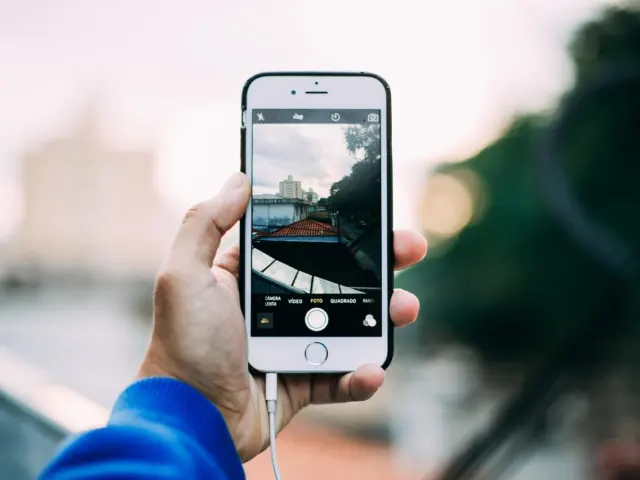

The best time to show a Times Square billboard message is an evening when the recipient can reach the screen easily and stand clear of the heaviest crowds, which usually means a non-holiday date rather than a holiday peak.
Picture a proposal or birthday surprise planned for a Saturday night. The screen is booked, but the recipient is stuck in a crush of tourists and sees the message late, or not at all. Choose the date and hour around the viewer’s route and the crowd, not just around how impressive the busiest night looks. A weeknight evening, a viewing spot agreed in advance and a short buffer before the booked time solve most of these problems.
For the wider picture of how a times square billboard message works from booking to display, start with that guide. This one covers only the timing decision.
The screens never switch off, so the hour is your choice
Times Square has over 300 digital screens, spectaculars and LED displays running 24 hours a day. Nothing about the screens forces a particular hour, so the decision rests on the people involved. Booking systems reflect this.

That freedom is useful. A message does not have to go up at the busiest moment to be seen by a crowd. It can go up when the person it is meant for is ready to look. Three questions settle most timing choices:
- Who needs to see it? If a single recipient must be there, pick the hour they can reach the spot without rushing. If the aim is a public moment, a livelier hour makes sense.
- Is a photo or video part of the plan? Then light, space and a clear line of sight matter more than the hour on the clock.
- How much can go wrong? Less flexible plans, such as a surprise or a guest with a train to catch, favour calmer dates with fewer surprises.
Background on how digital billboards in times square differ from one another is useful if you are still choosing a screen, because a choice of screen can limit the hours you can book.
Crowds: busy by default, heavier on event days
Times Square sits at the intersection of Broadway and 7th Avenue in Midtown Manhattan. The same source puts its reach at 330,000+ daily visitors and 50 million annual visitors. A place with that daily volume should be treated as busy by default, so the useful question is how to find a workable spot rather than how to find an empty one.
The crowd is also mostly tourists. The source cites estimates that 80–90% of daytime visitors are domestic or international tourists. A second source describes a mix of tourists, business professionals and locals. For a private message, this matters in a practical way. Many people nearby are stopping, photographing and drifting, so the pavement moves unevenly and a recipient who is not looking for the message can easily walk past it.
When is Times Square least crowded?
Public figures on daily and annual visitors do not give an hour-by-hour pattern. Counts from the Times Square Alliance or NYC DOT are the place to look for one. Without them, the sensible rule is to avoid holidays and event days, which bring increased foot traffic, and to visit the planned spot at the planned hour beforehand if you can. Judge the crowd on the ground rather than assuming any hour will be quiet.
Evenings and after dark
After dark is the usual choice for good reason. The screens are the dominant light in the scene, and a message on them reads as part of the glow around the viewer rather than competing with daylight. Evening is also when many people are free, which makes it easier to bring a recipient, friends or family to the same place at the same time.
The trade-off is crowd density. An evening crowd on Broadway can be thick enough to slow walking, so allow time to get to the viewing spot and agree a meeting point that does not depend on spotting one another in the throng. Late evening on a weeknight is the safer way to keep the benefit of the lights while limiting the crush.
Light and photos with the screens
If photographs matter as much as the message, the hour affects the result. In full daylight, screens can look washed out beside the buildings. As the sky darkens, the screens stand out and faces are lit by them. Check the sunset time for your date from the National Weather Service or the US Naval Observatory, then aim for the period around and just after it.
Ask the photographer or friend filming to stand a little back from the main flow of foot traffic, and keep the recipient’s route clear so nobody is blocked while the message is on screen. Wide, steady shots usually suit a billboard better than close, shaky ones, because the screen needs to stay in frame.

Matching your situation to a time
The table below turns the points above into a decision for common situations.
| Situation | Better timing choice | Trade-off to accept |
|---|---|---|
| Private surprise for one person | Non-holiday weeknight evening, with an agreed viewing spot | Still busy, so allow time to reach the spot |
| Proposal with photos or video | After dark, with the filmer positioned clear of foot traffic | Light and crowds both limit the framing |
| Group celebration, birthday or milestone | Evening, when guests are free to attend | Larger groups are harder to keep together |
| Holiday or event date | Only if the occasion itself is the point | Heavier foot traffic makes reaching the screen harder |
| Recipient is a visitor with a tight schedule | The hour they can reach comfortably, even if less dramatic | The scene may be less atmospheric |
These choices draw on the screen, crowd and event descriptions from this Times Square billboard guide and this overview of Times Square’s events and crowd.

New Year’s Eve: the extreme case
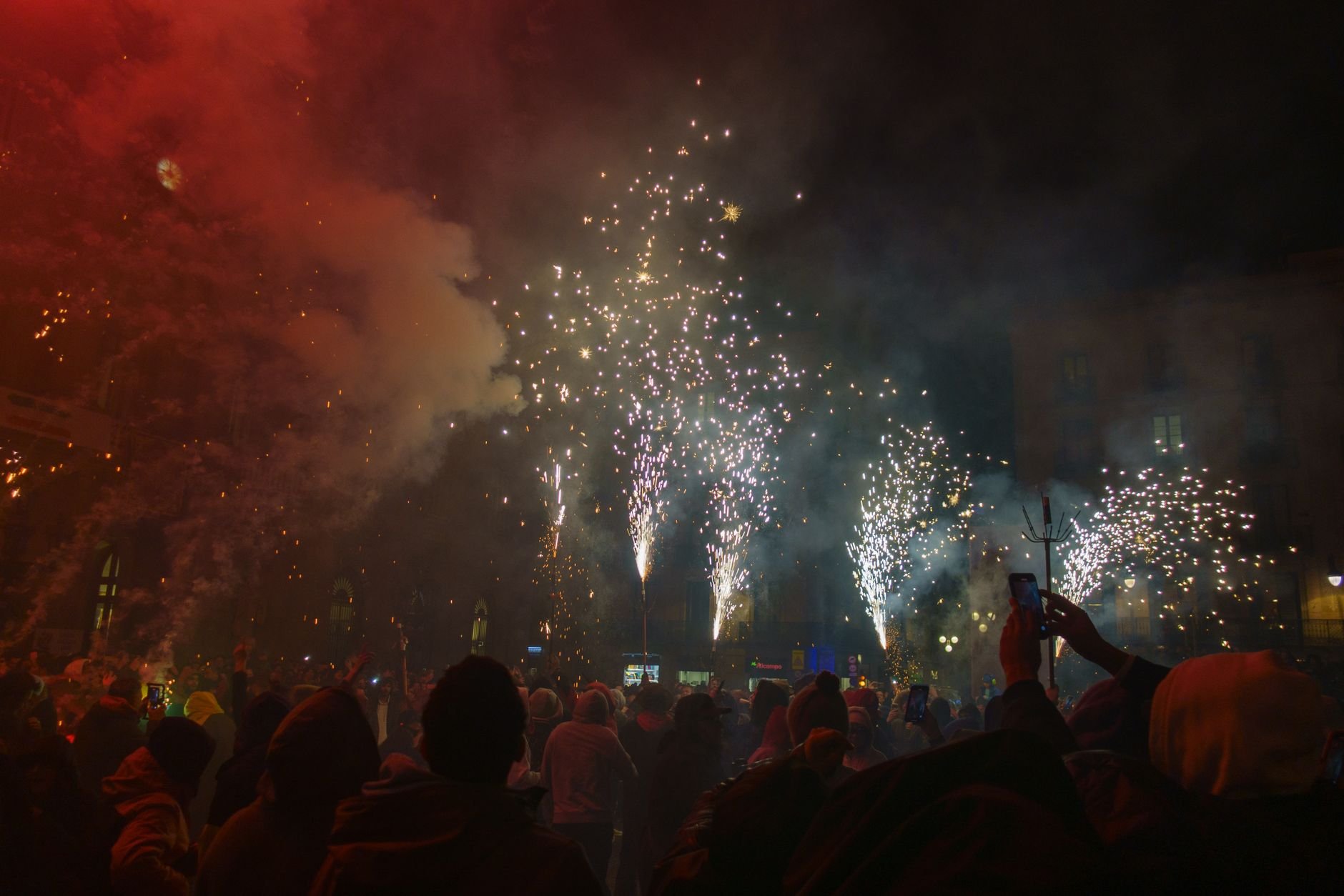
A New Year’s Eve billboard message has obvious appeal, since the date carries so much meaning. It is also the hardest date for a personal message to land. Events and holidays raise foot traffic in Times Square, and New Year’s Eve is the clearest example. Access rules for the night are set by the authorities, so check the Times Square Alliance and NYPD public notices for the current year before committing to a plan that depends on a particular spot.
For most personal messages, New Year’s Eve does not make sense. A recipient who needs to reach a specific viewing point risks being kept away or held in a crowd. It can suit a message meant for the occasion itself, where the senders do not need a precise view, or one where the recipient will be watching from a known place. If the sentiment is tied to the new year but you want the recipient to see it clearly, a nearby date with lighter crowds is the better choice.
Troubleshooting timing problems
- The recipient arrives late. Standard digital units rotate advertising among multiple advertisers in a loop, so plan for the recipient to be in position before the booked time rather than arriving as it starts. Sibling guidance on how long does a times square billboard message last explains what to expect once the message is showing.
- The viewing spot is packed. Pick a backup spot with a clear line of sight to the screen and agree it in advance. A fixed meeting point beats trying to find each other by sight.
- The date clashes with an event. Move the booking to a nearby non-event date. An event brings crowds that are hard to manage for a private moment.
- Photos look flat. The screen may be competing with daylight. Shift the hour later, into the period after sunset, and keep the filmer out of the pavement flow.
- The group will not stay together. Share the exact time, the viewing spot and a fallback location before arriving, and let someone act as the contact point.
Frequently asked questions
| Question | Answer |
|---|---|
| What time of day is best for a Times Square billboard message? | An evening after dark on a non-holiday date suits most personal messages, because the screens stand out and recipients are usually free. The right hour is the one the recipient can reach comfortably. |
| When is Times Square least crowded? | Visitor figures are published as daily and annual totals rather than by the hour, so the plaza is best treated as busy at any time. Avoiding holidays and event days is the most dependable way to reduce the crush. |
| Does a New Year’s Eve billboard message make sense given the crowds and restrictions? | Rarely for a personal message. Crowds and access rules make it hard for a recipient to reach a clear view, so it suits only plans where the occasion matters more than the viewing spot. |
| Do I choose the date and time when booking? | Booking services describe selecting a preferred date and time for the display, so the hour is a planning decision rather than a fixed setting. |