
| Symptom | First action | Planning use |
|---|---|---|
| Your chosen spot will be crowded at the hour you want | Move to early morning or golden hour, or pick a weekday | Fix the time of day before you book anything else, because photographers and tickets depend on it |
| The location is a ticketed observation deck | Book a timed entry in advance and choose an earlier slot | Treat the ticket as the first booking after the date is set |
| The forecast shows rain | Switch to a simple rain plan, such as an umbrella and a nearby sheltered or park setting | Keep the backup decided before the final days so you are not improvising |
| No one is arranged to capture the moment | Coordinate with a proposal photographer ahead of time | Share the date, spot and forecast plan with them early |
| Your partner may sense something is planned | Use a simple cover story, such as a casual walk | Choose a location that makes the cover story natural |
Timing and crowd advice here follows Local Lens, while the rain and photographer coordination points follow Jonathan Heisler’s NYC proposal photography blog.
How to plan a proposal in NYC: settle the date and place first, then book timed tickets and a photographer around them, and keep a rain backup ready before proposal day.
If you are still choosing a setting, our guide to the best places to propose in nyc compares options. If the main goal is keeping your partner unaware, surprise proposal ideas nyc goes deeper on the reveal itself.
Countdown from decision to proposal day
A countdown works best when you plan backward from one fixed date. Each stage below depends on the one before it, so do not skip ahead to vendors before the date and place are settled.
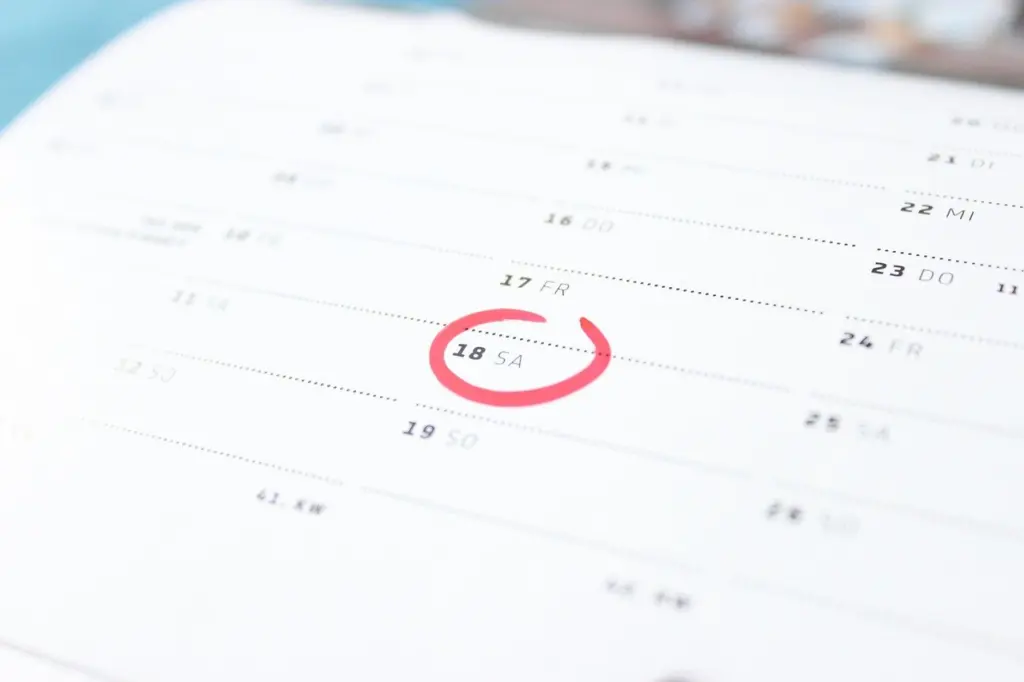
- Decision stage. Choose a target day, decide whether the ring is already in hand, and set a budget. Write down what matters most to your partner, such as privacy, skyline views or a photographer present.
- Early weeks. Pick the location and the time of day together, because crowd levels and light change with the hour. Check whether the place sells timed entry.
- Middle weeks. Book timed tickets and a photographer, and confirm whether your plan needs a permit or venue permission.
- The final week. Watch the forecast, confirm the rain backup and brief your photographer on where to stand and when.
- Proposal day. Arrive early at the spot, keep the ring on you, and let the cover story carry your partner there.
Ring, budget and planner help
The ring is the one item the rest of the plan cannot replace, so settle it before you commit to venues. One planner’s illustrative budget allots 20% of the total to the proposal message and ring combined, which is a useful reminder to reserve that share before spending on extras (WithJoy). Treat that figure as an example, not a target for your own budget.
If you would rather hand off the logistics, a planner can take on parts of the work. The Yes Girls team lists venue sourcing and permit assistance alongside vendor management, photography and florals. Their process runs through connect, curate and propose stages. A planner suits you if the proposal involves more than a private moment, for example styled setups or several vendors. For a simple walk and a ring, you can manage the plan yourself.
Choosing the location
Choose the location by asking two questions: what time of day will you be there, and how crowded is that spot then? The facts below show the same pattern at several well-known places. Early or midweek visits give you more room, and ticketed venues need advance booking.
Central Park
Central Park works best in early morning or at golden hour, when the park is less crowded. It also suits a surprise, since a casual walk through the park is a natural cover story that does not raise suspicion. Both points come from Local Lens.
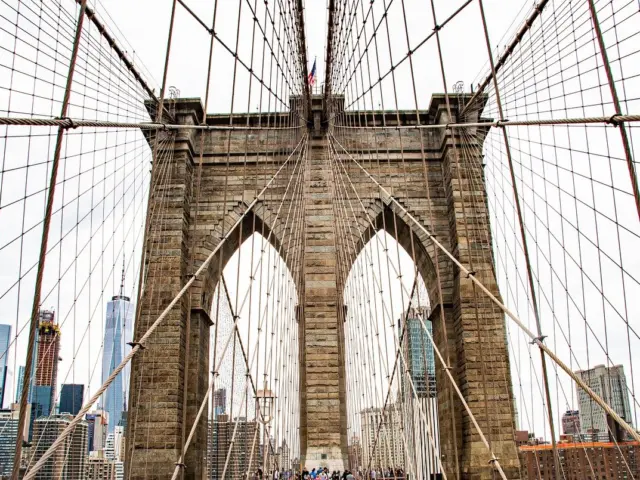
Brooklyn Bridge and Brooklyn Bridge Park
Sunrise is the ideal time for photos at the Brooklyn Bridge, with fewer crowds. At Brooklyn Bridge Park, a weekday visit or an early arrival helps you secure your spot without a crowd. The park also offers what Proposal 007 calls an unparalleled view of Manhattan. This setting suits couples who want the skyline behind them and are willing to start the day early.
Observation decks
At Top of the Rock, book your timed entry in advance and aim for an earlier slot to avoid peak crowds. At Edge, book a timed ticket and arrive early to improve your chances of a calm moment. Because these sites sell timed entry, a deck is the one location where the booking itself sets your schedule.
Quieter alternatives
Battery Park offers excellent afternoon light before sunset, which makes natural, flattering portraits. The Jersey City waterfront draws fewer crowds than many popular NYC proposal spots, according to Jonathan Heisler. Choose it if privacy matters more than a Manhattan address.

Hiring a proposal photographer
A proposal photographer is worth arranging because you cannot hold a ring and a camera at the same time. A professional can discreetly document the surprise, as Local Lens describes, and a destination-proposal guide likewise advises having a photographer on hand to capture the moment. Some NYC photographers specialize in private proposals as well as engagement sessions and weddings, and that experience matters when the shot depends on staying unnoticed.
When you compare candidates, look at portfolios of proposals in outdoor public settings, and ask how they stay out of view until the moment. A dedicated nyc proposal photographer will usually want the exact spot and time of day, so settle those before you reach out.

Weather backup plan
An outdoor proposal needs a simple backup for rain, and the forecast should drive when you switch. Checking the forecast and coordinating with your photographer ahead of time lets you decide early rather than on the day, as Jonathan Heisler advises.
Rain does not have to ruin the plan. One Riverside Park Pier 1 proposal went ahead on a rainy morning with an umbrella, using the waterfront and a nearby park, and the rain added a unique atmosphere to the photographs. A covered or indoor option is a sensible second choice if the weather turns heavy, but keep it close to your first spot so your photographer and partner can move easily.
- Forecast looks clear. Keep the original plan and still bring an umbrella as a precaution.
- Light rain is forecast. Stay with the location, carry an umbrella and tell your photographer.
- Weather could stop the plan. Use your backup and let the photographer know before the day.
Frequently asked questions
| Question | Answer |
|---|---|
| How far in advance should I plan a proposal? | The right lead time is set by the longest-lead item you want, which is usually a timed-entry ticket or a photographer. Book those as soon as the date is fixed, and leave the rain backup for the final week. |
| What steps come first when planning? | Start by deciding what you want the proposal to feel like and picking a date. Planner processes also begin with a consultation or a step where you share your vision and goals, which suggests the same order. |
| When should I book a photographer? | Book once the date and location are fixed, so the photographer can coordinate with your plan and the forecast. A photographer needs those details more than extra lead time. |